Humrahi

Author name: Humrahi

Managing Cholesterol Post a Heart Attack – Why is it Important?

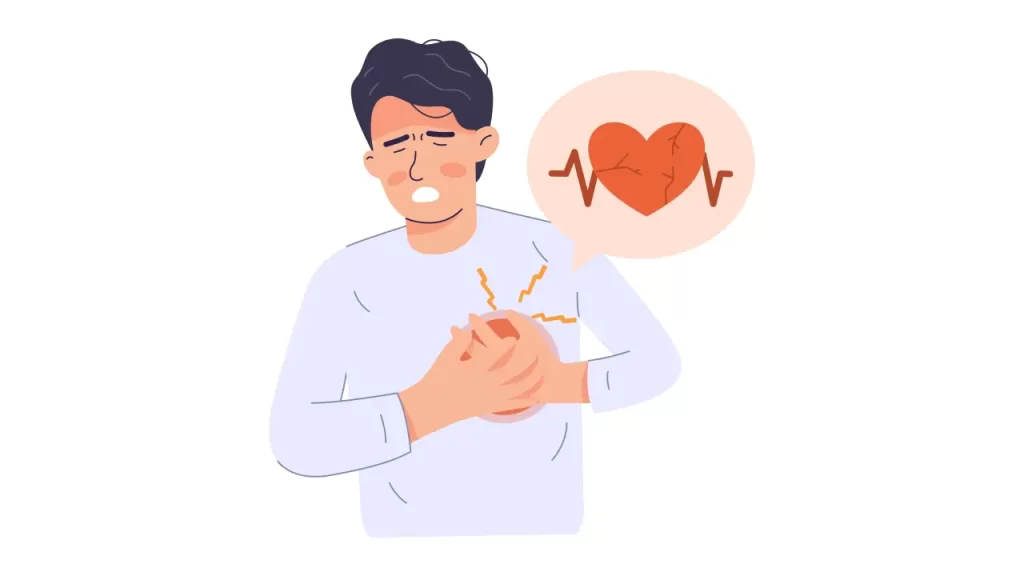
Experiencing a heart attack is a life-altering event serves as a wake-up call for many individuals   Why Does It Matter? High cholesterol accumulates the fat deposits in the arteries Ultimately increasing the risk of heart attacks By managing cholesterol levels can prevent future cardiac events   Practical Tips for Managing Cholesterol   Embrace a […]

Managing Cholesterol Post a Heart Attack – Why is it Important? Read More »

Frequently Asked Questions about Dyslipidemia

Dyslipidemia, if left uncontrolled, could lead to several health issues. Here are a few frequently asked questions regarding dyslipidemia: Q1: What is dyslipidemia? Answer: An abnormal level of lipids (fats) in the blood, particularly cholesterol and triglycerides. Q2: What are the risk factors for dyslipidemia? Answer: A sedentary lifestyle, poor diet, obesity, smoking, excessive alcohol

Frequently Asked Questions about Dyslipidemia Read More »

Dyslipidemia in Young Indians

“Imbalance in blood lipid levels is an alarming health issue among young Indians and is traditionally associated with older adults.” Causes of Dyslipidemia Sedentary Lifestyle: Lack of exercise adversely affects lipid metabolism. Unhealthy Diet: The consumption of high-calorie, processed foods, and saturated fats is widespread among the younger generation. Obesity: Excess body weight is rapidly

Dyslipidemia in Young Indians Read More »

8 Tips for a Heart-Healthy Diet – Lowering Cholesterol through Nutrition

High cholesterol levels can lead to an increased risk of heart disease and other cardiovascular conditions. Therefore, it is important to pay attention to the kinds of foods you eat. Below are eight nutrition tips one can follow that can help lower cholesterol levels in individuals. Unsaturated fats found in avocados, olive oil, nuts, and

8 Tips for a Heart-Healthy Diet – Lowering Cholesterol through Nutrition Read More »

Blood Pressure and Diabetes: Empowering Control for Optimal Health

Managing both diabetes and high blood pressure is crucial for individuals living with these conditions to lead a healthy and fulfilling life. With effective strategies and lifestyle changes, individuals can take control of both conditions and improve their overall well-being. Monitor Blood Pressure and Blood Sugar Regularly Adopt a Balanced Diet Engage in Regular Physical

Blood Pressure and Diabetes: Empowering Control for Optimal Health Read More »

Association between Healthy Diet and Blood Pressure

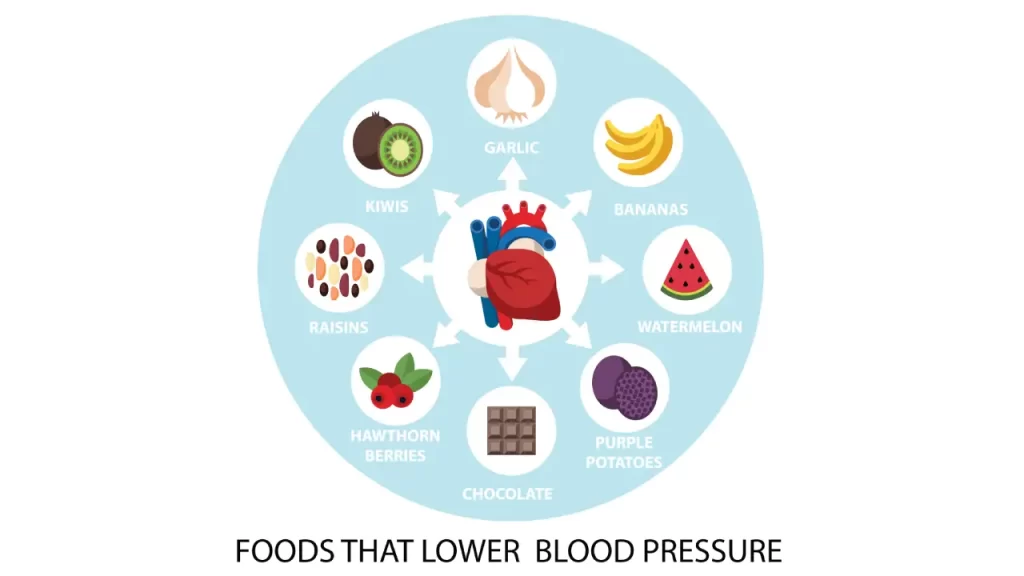
A healthy diet helps to protect against non-communicable diseases (NCDs), including diabetes, heart disease, stroke, and blood pressure. Foods to eat Fruits Bananas Blueberries and strawberries Watermelon Kiwi Pomegranates Citrus fruits like oranges. Vegetables Beetroot Leafy green vegetables Garlic Others Dark chocolate Yogurt Foods to avoid Saturated and trans fats Alcoholic beverages High-sodium foods Fatty

Association between Healthy Diet and Blood Pressure Read More »